







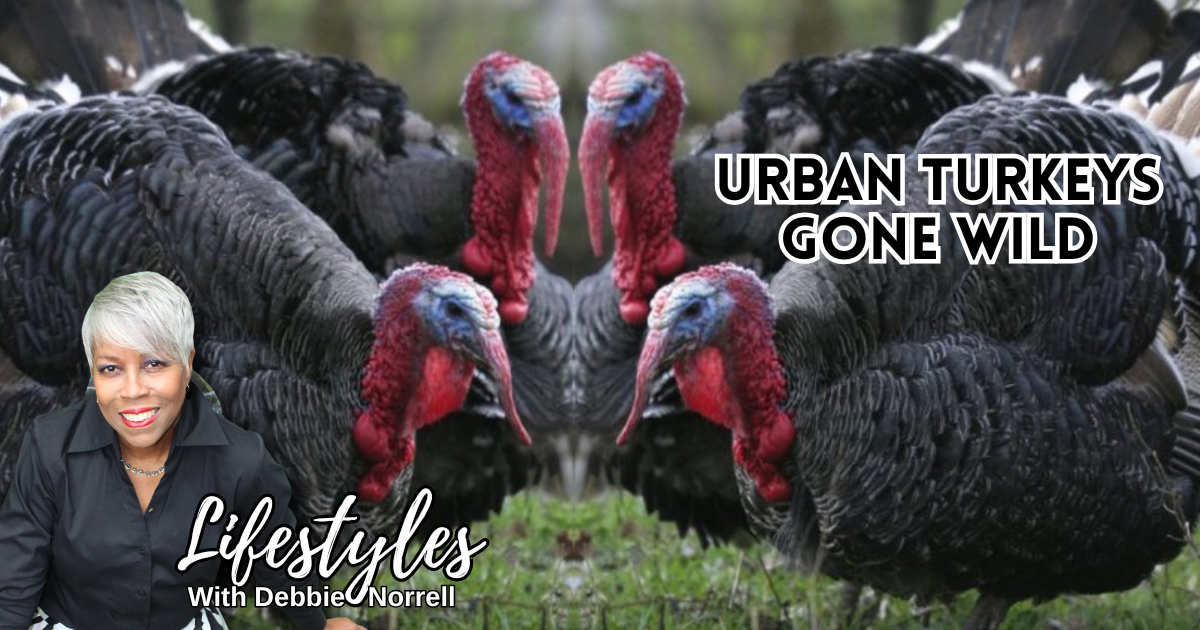
Where in the world did these turkeys come from? I never thought I would see turkeys trotting around in my neighborhood. Over five years ago my tenant sent me a picture of a large turkey in her front yard. I was shocked. Now I am seeing Turkeys in my neighborhood, and they are running around in packs. They are very large and aggressive. I wanted to start taking walks in my neighborhood but now I am afraid of these large turkeys. It seems like they appeared out of nowhere. I did some research and here is what I found.
The wild turkey, once on the brink of extinction in the early 1900s, has made a remarkable comeback thanks to successful conservation efforts. These initiatives included habitat restoration and regulated hunting, allowing turkey populations to rebound and expand into areas they historically inhabited—and some new ones, too.
As their numbers have risen, wild turkeys have shown remarkable adaptability, finding niches in suburban areas where wooded spaces, parks, and backyards provide adequate food and roosting sites. Despite the busy surroundings, these areas often mimic the natural habitat these birds favor, supporting their survival and proliferation.
Wild turkeys are highly sociable and intelligent creatures, typically forming flocks that aid in protecting against predators. They are known for their complex social structures, often led by dominant males called “toms” and involving intricate communication methods, including a variety of calls and displays. “Flocks? To me it seems like a gang and yes, the “Tom” is leading the pack. Several turkeys actually ran towards my car while I was driving. I backed up and they kept coming.”
Turkeys are opportunistic omnivores, which means their diet can include a mix of seeds, nuts, insects, and small reptiles. In suburban settings, they may also consume ornamental plants, birdseed, and even food scraps found in unsecured garbage, which supports their adaptability in non-traditional environments. So now you have more information on the urban turkeys. Looks like they are here to stay.
Email the columnist at debbienorrell@aol.com
Click Here to View All “Lifestyles with Debbie Norrell” Articles